

Strength and Core Training: Why Everyone’s Getting Stronger
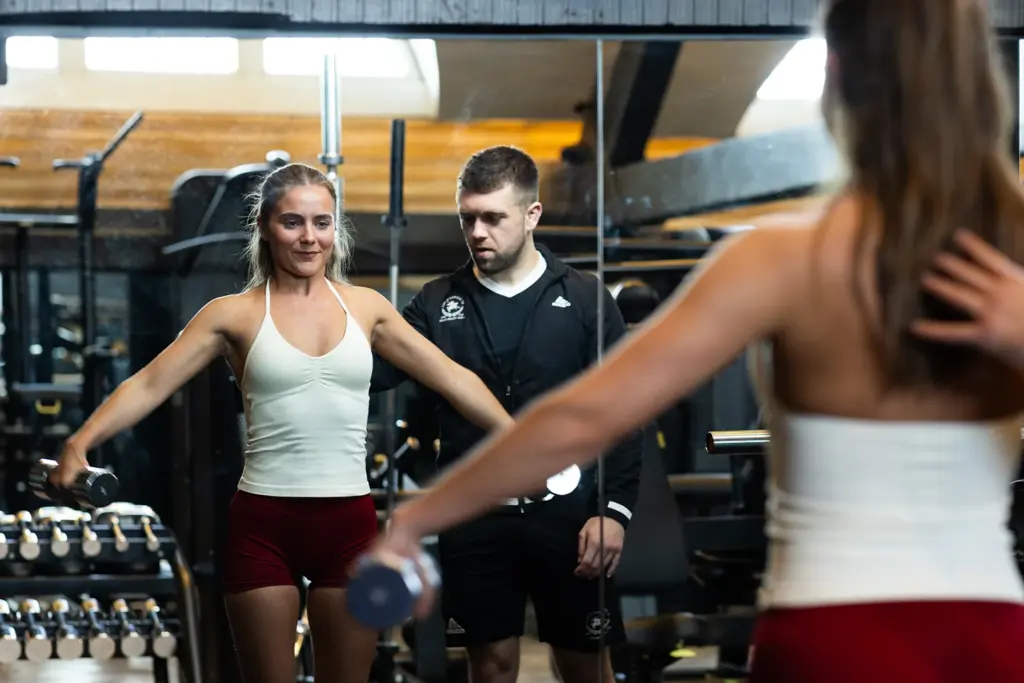
Strength training is having a moment. Once associated mainly with bodybuilders and serious weightlifters, it’s now attracting people of all ages and fitness levels. From younger gym-goers building muscle to older adults looking to stay active and independent, more people are discovering the benefits of getting stronger.
And there’s good reason for that. Strength training isn’t simply about lifting heavier weights or changing how you look. It’s about improving your health, protecting your mobility and making everyday life easier.
Why is strength training becoming so popular?
Interest in strength training has increased noticeably in recent years. Google Trends data for the UK shows a marked rise in searches for strength training, weight training and resistance training during 2026, following several years of comparatively steady interest.
Industry research tells a similar story. A 2026 report from ukactive and Les Mills, Shaping a New Era of Strength Training, highlights growing interest among younger people while identifying opportunities to encourage more people of all ages to participate.
This reflects a broader shift in attitudes towards fitness. Rather than concentrating exclusively on weight loss or cardiovascular exercise, people are increasingly recognising the importance of building and maintaining muscle throughout their whole lives.
Strength training is no longer just for those who want to lift heavy weights. It’s for anyone who wants to feel stronger, move better and stay healthier for longer.
HYROX and functional fitness

The growing popularity of HYROX is another indication of how attitudes towards fitness are changing. Combining running with functional exercises such as sled pushes, rowing, lunges and weighted carries, HYROX brings strength and endurance training together in a competitive format.
Interest in HYROX has grown dramatically in the UK, helping introduce more people to functional strength training and encouraging gym-goers to look beyond traditional cardio workouts or weightlifting routines.
But you don’t have to enter a competition to enjoy the benefits. Functional training can help develop strength, stamina, balance and coordination, making it an excellent complement to other sports and everyday activities.
At St George’s Hill Lawn Tennis Club, you can explore this approach through our gym and functional training facilities. Find out more in our guide to HYROX.
What are the benefits of strength training?
There are plenty of reasons to introduce resistance training into your exercise routine, whether you’re in your twenties, your seventies or somewhere in between.
1. Maintain muscle strength as you get older
We naturally tend to lose muscle mass and strength as we age, particularly if we aren’t physically active.
Regular strength training can help counteract this process, maintaining the strength needed for everyday activities such as climbing stairs, carrying shopping, gardening and getting up from a chair.
For older adults, keeping muscles strong can make an important contribution to maintaining independence and quality of life.
2. Support stronger bones and healthier joints
Strength training doesn’t just work your muscles. Weight-bearing and resistance exercises can also help maintain bone strength.
Building strength in the muscles around your joints may improve stability and make everyday movement more comfortable and controlled.
This is particularly relevant as we get older, when maintaining bone health, balance and mobility becomes increasingly important.
 3. Improve performance in other sports
Strength training can be a valuable addition to almost any sport.
For tennis and squash players, stronger legs and core muscles can help support powerful, controlled movement around the court. Improving strength and stability can also complement work on balance, coordination and agility.
Runners, cyclists and swimmers can benefit too. Strength and conditioning is now widely recognised as an important part of running training, helping improve running economy, performance and resilience. As Runner’s World explains in its guide to strength training for runners, exercises such as squats, lunges and other resistance movements can complement regular running.
You don’t have to choose between cardiovascular fitness and strength. The two work very well together.
4. Make everyday life easier
One of the best things about strength training is that its benefits extend well beyond the gym.
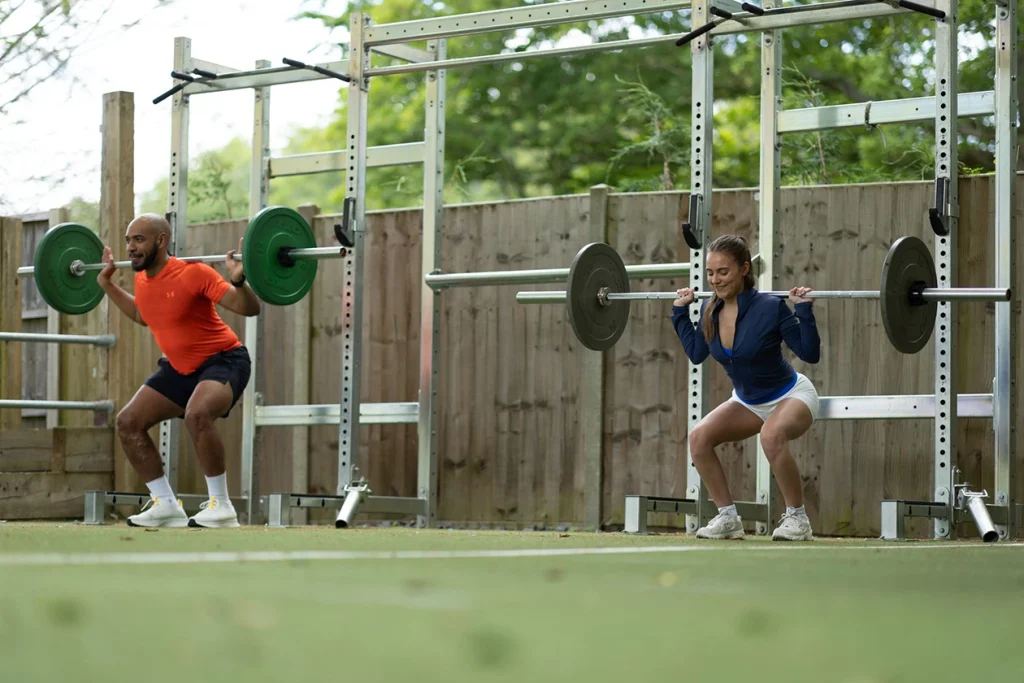
Squats develop the muscles used to stand up and climb stairs. Exercises involving pulling and lifting can help with everyday tasks. Core-strengthening exercises can support stability and control.
These are examples of functional strength: developing physical capabilities that translate into ordinary activities.
5. Build confidence and wellbeing
There’s something satisfying about noticing your progress, whether it’s lifting a slightly heavier weight, completing an extra repetition or finding an exercise easier than it was a few weeks ago.
Having achievable goals and seeing steady improvements can be rewarding, particularly for people who have previously felt uncomfortable or intimidated in a gym environment.
Strength training, weight training and resistance training: what’s the difference?
These terms are often used interchangeably, and there’s considerable overlap between them.
Strength training is the broad term for exercise designed to improve muscular strength.
Weight training uses external weights, such as dumbbells, barbells or weighted exercise machines, to challenge the muscles.
Resistance training is broader. It includes free weights and machines, but can also involve resistance bands, cable equipment and exercises that use your own body weight.
For example, push-ups, squats, lunges and exercises with resistance bands can all form part of an effective resistance-training programme.
You certainly don’t need to lift heavy barbells to benefit from strength training.
How often should you do strength training?
The NHS recommends that adults undertake muscle-strengthening activities involving the major muscle groups on at least two days each week.
These activities should work muscles throughout the body, including the legs, hips, back, abdomen, chest, shoulders and arms.
For beginners, the most important thing is to start at an appropriate level and build up gradually.
Two well-planned sessions each week can be a practical starting point. Allowing time for recovery, learning good technique and gradually increasing the challenge will help you develop a sustainable routine.
You can also combine strength training with activities you already enjoy, such as tennis, swimming, cycling or fitness classes.
 Getting started with strength training
If you’re new to strength training, walking into a gym full of unfamiliar equipment can seem daunting. But there’s no need to know everything before you begin.
Start with a few simple exercises that work different muscle groups. These might include:
- Squats or leg presses for the lower body.
- Chest presses or push-ups for the upper body.
- Seated rows or cable pulls for the back.
- Gentle core-strengthening exercises for stability.
- Dumbbell or machine-based exercises appropriate to your ability.
The aim initially should be to learn how to perform each movement correctly, using a manageable level of resistance.
As your confidence and strength improve, you can gradually progress by adjusting the weight, repetitions or exercises.
A qualified personal trainer can be particularly helpful at this stage, providing guidance on technique, equipment and a programme suited to your goals.
If you have a medical condition, injury or concerns about starting exercise, seek appropriate professional advice before beginning a new programme.
Strength training at St George’s Hill Lawn Tennis Club
At St George’s Hill Lawn Tennis Club in Weybridge, we believe that fitness should be accessible, enjoyable and tailored to the individual.
Our spacious indoor gym offers a wide range of Technogym equipment, including free weights, resistance machines, functional cable machines and dedicated areas for core and functional training.
Members can also make use of our outdoor gym and functional training facilities, offering a different environment in which to develop strength and overall fitness.
Whether you’re just starting out or have been training for years, our experienced gym team and personal trainers are here to help.
Every new gym member can receive a personalised programme based on their goals, with an introduction to the equipment and guidance on getting the most from their workouts.
For those interested in developing their fitness further, our personal trainers can help create structured strength and conditioning programmes, whether the aim is general wellbeing, improved sporting performance or maintaining strength and mobility as you age.
And with tennis, squash, swimming, studio classes and wellbeing facilities all available at the Club, strength training can become part of a varied and enjoyable fitness routine.
 It’s never too late to get stronger
Perhaps the most encouraging thing about the rise of strength training is that it’s helping to change perceptions about who the gym is for.
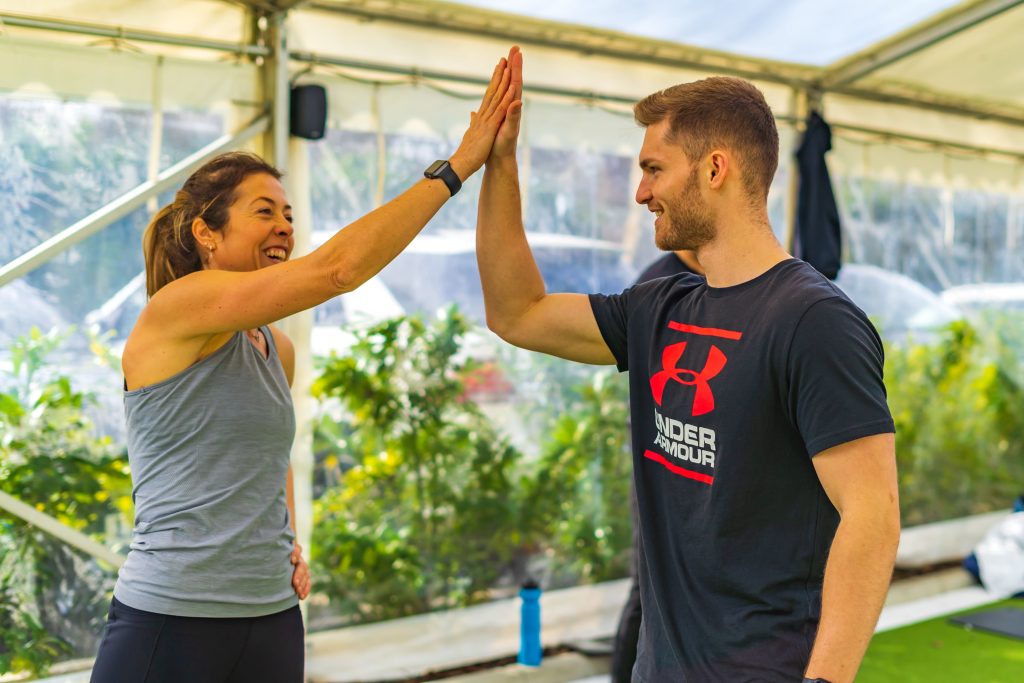
You don’t need to be young, exceptionally fit or an experienced weightlifter to get started. Strength training can be adapted for different ages, abilities and goals, and even modest improvements in strength can make a meaningful difference to everyday life.
The important thing is to find an approach you enjoy and can maintain.
Interested in getting stronger?
Discover the gym and fitness facilities at St George’s Hill Lawn Tennis Club, or get in touch with our membership team to arrange a visit and find out how we can help you achieve your fitness goals.
